Neurosurgical Care
Brain Tumor & Neurotrauma Surgery
Dr. Mashal Rasool Khan provides neurosurgical care for brain tumors and traumatic brain injuries, with treatment guided by the diagnosis, neurological findings, and clinical needs.
What this covers
Specialized Care for Brain Tumor & Neurotrauma
Brain tumors and traumatic brain injuries can affect brain function and require careful neurological assessment. Treatment depends on the type, location, severity, and clinical presentation of the condition.
Brain Tumors
Diagnosis and surgical management of selected benign and malignant tumors affecting the brain and surrounding structures.
Head Injuries & Intracranial Conditions
Surgical management of selected traumatic conditions, including intracranial bleeding, brain swelling, and increased pressure within the skull.
About the specialty
What Is Brain Tumor & Neurotrauma Surgery?
Brain tumor and neurotrauma surgery involves the surgical management of conditions affecting the brain, skull, and surrounding structures, including selected tumors and traumatic brain injuries.
Precise Diagnosis
Clinical assessment and appropriate imaging help determine the nature and location of the condition.
Targeted Surgery
Surgical treatment is planned according to the condition, location, severity, and neurological findings.
Protecting Brain Function
Treatment aims to address the underlying condition while preserving neurological function whenever possible.
When to seek assessment
Neurological Symptoms
Some symptoms may develop gradually, while others can appear suddenly after a head injury. Prompt medical assessment is important when neurological symptoms are new, severe, or worsening.
Persistent Headaches
New or worsening headaches, particularly when persistent or accompanied by other neurological symptoms, may require evaluation.
Seizures
A new seizure or unexplained seizure activity requires prompt neurological assessment.
Vision Changes
New blurred or double vision, visual field changes, or other unexplained changes in vision may indicate neurological involvement.
Loss of Consciousness
Loss of consciousness following a head injury can indicate a significant traumatic brain injury and requires urgent medical assessment.
Conditions
Common Neurosurgical Conditions
These conditions can affect brain function in different ways and require diagnosis based on clinical findings, neurological examination, and appropriate imaging.
01
Brain Tumors
02
Traumatic Brain Injury
03
Intracranial Hemorrhage
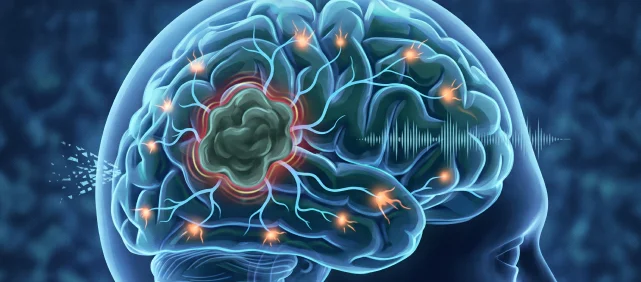
Brain Tumors
Brain tumors are abnormal growths of cells in or around the brain and may be benign or malignant. Symptoms and treatment depend on the tumor’s type, size, location, and effect on surrounding brain tissue.
Common signs
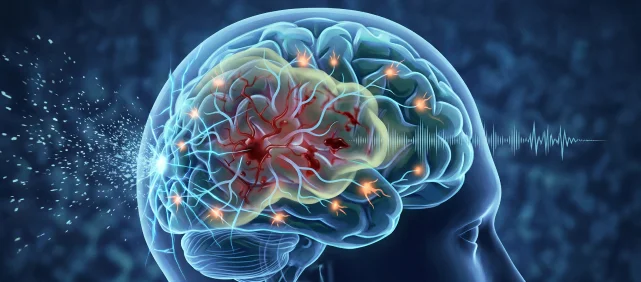
Traumatic Brain Injury
Traumatic brain injury can result from a blow, impact, or penetrating injury to the head and may range from mild injury to bleeding or swelling within the skull. Severe injuries may require urgent surgical management.
Common signs
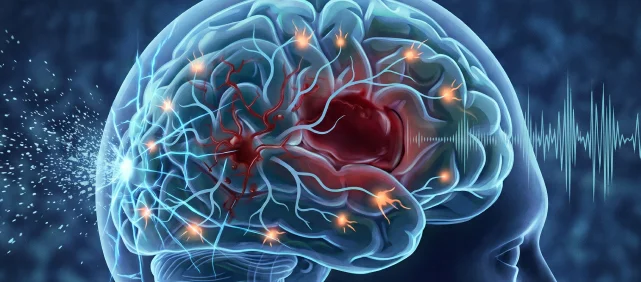
Intracranial Hemorrhage
Intracranial hemorrhage involves bleeding within the skull, which can place pressure on the brain and impair neurological function. Treatment depends on the location, size, cause, and severity of the bleeding.
Common signs
What treatment involves
From Assessment to Recovery
1
Specialist Consultation
Discuss your symptoms, medical history, and imaging with Dr. Mashal Rasool Khan.
2
Clinical Assessment
Neurological examination and appropriate imaging help establish the diagnosis and assess its severity.
3
Treatment Planning
The appropriate surgical or non surgical approach is determined based on the diagnosis and clinical findings.
4
Recovery & Follow Up
Postoperative follow up monitors neurological recovery and helps guide ongoing care.
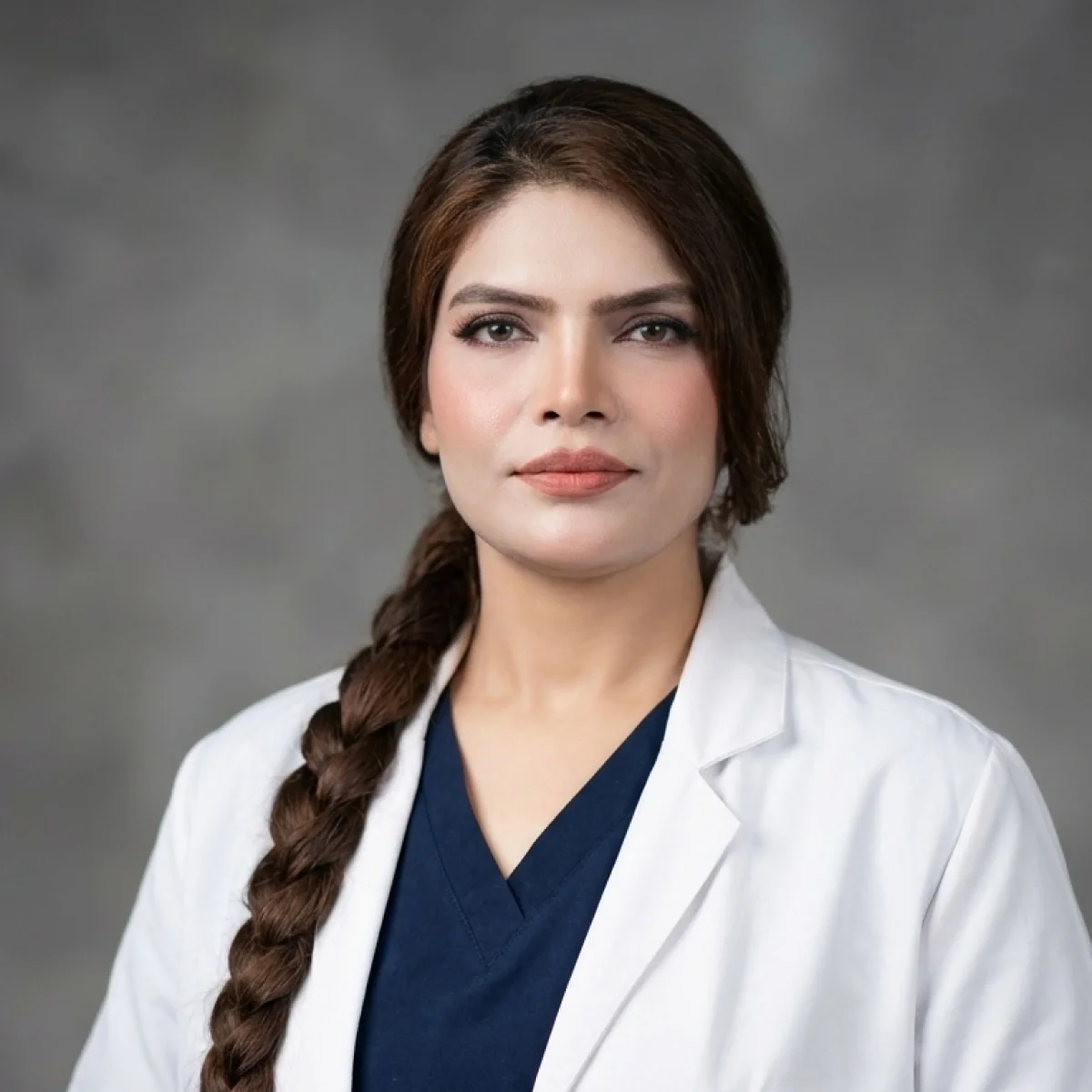
Dr. Mashal Rasool Khan
Jinnah Postgraduate Medical Centre (JPMC), Karachi
Your surgeon
Led by Dr. Mashal Rasool Khan.
Dr. Mashal Rasool Khan is a neurosurgeon based in Islamabad with a clinical focus on spinal and nerve related disorders, including minimally invasive spine procedures. She completed her MBBS from Liaquat National Medical College and received surgical training and experience at Jinnah Postgraduate Medical Centre (JPMC), Karachi.
Her clinical practice focuses on accurate diagnosis and appropriate treatment planning for patients with spinal and neurological conditions, with minimally invasive approaches considered where clinically appropriate.
Qualification
MBBS
Medical Education
Liaquat National Medical College
Clinical Practice
Ali Medical Centre, F-8, Islamabad
Clinical Focus
Pediatric & Congenital Neurosurgery
Common questions
Before you book.
What are the early warning signs of a brain tumor?
Common early signs include persistent headaches that worsen over time, new or unexplained seizures, and gradual changes in vision, speech, or coordination. These symptoms warrant prompt evaluation, even if they seem mild at first.
When should you see a doctor after a head injury?
Any head injury involving loss of consciousness, confusion, repeated vomiting, or worsening headache should be evaluated immediately, even if the injury initially seemed minor.
What causes pressure to build up inside the skull?
Increased intracranial pressure can result from bleeding, swelling, fluid buildup, or a growing mass inside the skull. It’s considered a medical emergency and requires urgent assessment to prevent lasting damage.
Book a consultation
Get clarity on the right care for your condition.
Speak with Dr. Mashal Rasool Khan about your condition and options. No obligation, just a clear next step.