Surgical Oncology
Surgical Oncology & Advanced Laparoscopic Surgery
Dr. Mukhtar Khan provides surgical care for gastrointestinal and abdominal cancers, with minimally invasive laparoscopic approaches used where clinically appropriate.
What this covers
Surgical Treatment for Abdominal & Gastrointestinal Conditions
Cancers and complex conditions affecting the digestive system can require surgery to remove diseased tissue and, when necessary, nearby structures.
Laparoscopic Oesophageal Cancer Surgery
Laparoscopic surgical treatment for selected oesophageal cancers, with the approach guided by the location, stage, and extent of the disease.
Laparoscopic Stomach Cancer Surgery
Minimally invasive surgical treatment for selected stomach cancers, with the procedure planned according to the location and extent of the tumour.
Laparoscopic Liver Cancer Surgery
Laparoscopic treatment for selected liver cancers, where minimally invasive surgery is appropriate based on the tumour’s location, size, and extent.
Laparoscopic Pancreatic Cancer Surgery
Minimally invasive surgical treatment for selected pancreatic cancers, with the approach determined by the tumour’s location and extent of disease.
Laparoscopic Colon & Rectal Cancer Surgery
Laparoscopic surgery for selected colon and rectal cancers, with treatment planned according to the location and stage of the cancer.
Three-Port Laparoscopic Gallbladder Surgery
A minimally invasive approach to selected gallbladder conditions using three small access points, where clinically appropriate.
Laparoscopic Hernia Repair
Minimally invasive repair of selected abdominal and groin hernias using laparoscopic techniques where appropriate.
About the specialty
What Is Surgical Oncology & Advanced Laparoscopic Surgery?
Surgical oncology involves the surgical treatment of cancer, while laparoscopic surgery uses small incisions and a camera-guided approach to access the abdomen.
Cancer Removal
Surgery may remove the tumor along with surrounding tissue or nearby lymph nodes when required for cancer treatment.
Laparoscopic Access
Small incisions and specialized instruments allow the surgeon to perform selected abdominal procedures without a large open incision.
Complex Abdominal Surgery
Advanced surgical techniques may be used for selected conditions involving the stomach, colon, liver, gallbladder, or pancreas.
When to seek assessment
Abdominal Symptoms Worth Checking
Persistent or unexplained digestive and abdominal symptoms may require medical evaluation, particularly when they continue or worsen.
Abdominal Pain
Persistent or unexplained abdominal pain may require further evaluation to identify its cause.
Digestive Changes
Ongoing changes in bowel habits, such as persistent diarrhea or constipation, may warrant assessment.
Unexplained Weight Loss
Unintentional weight loss without a clear cause should be medically evaluated.
Bleeding
Blood in the stool, black stools or vomiting blood requires prompt medical assessment.
Conditions
Conditions That May Require Surgical Treatment
Different abdominal and gastrointestinal conditions require different surgical approaches. The treatment plan depends on the diagnosis, location, stage, and extent of disease.
01
Stomach Cancer
02
Colon Cancer
03
Liver & Gallbladder Conditions
04
Pancreatic Conditions

Stomach Cancer
Cancer of the stomach may require surgery to remove part or all of the stomach, depending on the tumor’s location and extent.
Common symptoms

Colon Cancer
Colon cancer develops in the large intestine and may require surgical removal of the affected section of the colon, often with nearby lymph nodes.
Common symptoms

Liver & Gallbladder Conditions
Tumors and selected complex conditions affecting the liver or gallbladder may require surgical removal of the affected tissue or organ.
Common symptoms

Pancreatic Conditions
Pancreatic tumors and selected surgical conditions may require complex procedures depending on their location and extent.
Common symptoms
What treatment involves
From Assessment to Recovery
1
Specialist Consultation
Discuss your diagnosis, symptoms, medical history, and available investigations with Dr. Mukhtar Khan.
2
Clinical Assessment
Relevant imaging, laboratory tests, and other investigations help define the condition and its extent.
3
Treatment Planning
The surgical approach is selected according to the diagnosis, disease extent, and clinical findings.
4
Recovery & Follow-Up
Postoperative follow-up monitors healing and supports recovery after treatment.
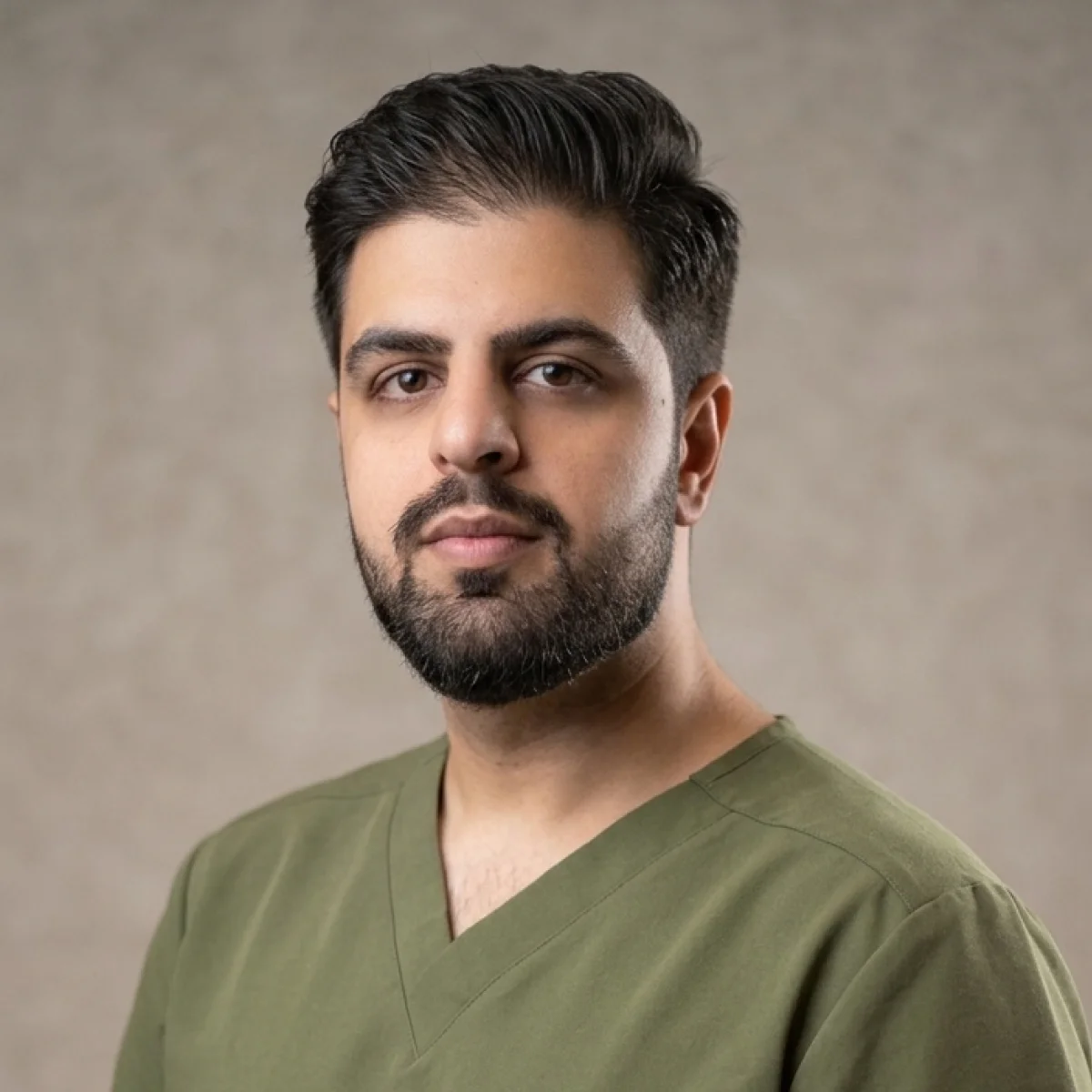
Dr. Mukhtar Khan
Jinnah Postgraduate Medical Centre (JPMC), Karachi
Your surgeon
Led by Dr. Mukhtar Khan.
Dr. Mukhtar Khan is a General and Laparoscopic Surgeon based in Islamabad, with clinical experience in general surgery, breast surgery, surgical oncology, and minimally invasive procedures. He completed his MBBS and house job at Liaquat National Medical College, Karachi, followed by FCPS in Surgery from Jinnah Postgraduate Medical Center (JPMC), Karachi.
His practice includes surgical management of conditions involving the breast, thyroid, gallbladder, hernias, and other general surgical conditions.
Qualification
MBBS, FCPS (Surgery)
Medical Education
Liaquat National Medical College
Clinical Practice
General Practice Hospital, Islamabad
Clinical Focus
General, Laparoscopic & Surgical Oncology
Common questions
Before you book.
Can all abdominal cancers be treated laparoscopically?
Not always. It depends on the tumor’s size, location, and stage. Your surgeon will determine whether a minimally invasive approach is safe and effective for your specific case.
What are early symptoms of pancreatic or liver cancer?
Symptoms are often vague early on, including unexplained weight loss, abdominal discomfort, or jaundice. Because these signs can be easy to overlook, persistent symptoms should always be evaluated.
Is a laparoscopic approach as effective as open surgery for cancer?
For selected cancers, laparoscopic surgery can be as effective as open surgery for removing the cancer. However, it is not suitable for every case. The choice depends on the cancer type, location, stage, tumor size, and extent of disease.
Book a consultation
Get clarity on the right care for your condition.
Speak with Dr. Mukhtar Khan about your condition and options. No obligation, just a clear next step.