Neurosurgical Care
Spine Tumor & Spine Trauma Surgery
Dr. Mashal Rasool Khan provides neurosurgical care for spinal tumors, spinal injuries, fractures, and spinal cord compression, with treatment guided by the underlying condition and neurological findings.
What this covers
Surgical Care for Spinal Tumors & Injuries
Tumors and traumatic injuries can involve the vertebrae, spinal cord, or nerve roots. The right treatment depends on what is affected and whether spinal stability or neurological function is at risk.
Spinal Tumors
Surgical care for tumors involving the spinal cord, nerve roots, or vertebrae, with treatment guided by the tumor’s location and characteristics.
Spinal Trauma & Fractures
Management of spinal fractures and traumatic injuries that may cause instability, spinal cord injury, or compression of the nerves.
About the specialty
What Is Spine Tumor & Spine Trauma Surgery?
Spine tumor and trauma surgery involves the surgical treatment of conditions affecting the spinal cord, nerve roots, vertebrae, and surrounding structures, including tumors, fractures, and traumatic compression.
Tumor Management
Surgery may be used to remove or reduce tumors affecting the spine or relieve pressure on nearby neural structures.
Spinal Stabilization
Fractures or traumatic injuries may require procedures to restore spinal stability and protect neurological structures.
Neural Decompression
Surgery can relieve pressure on the spinal cord or nerve roots when compression is affecting neurological function.
When to seek assessment
Signs of Spinal Conditions
Some spinal conditions develop gradually, while traumatic symptoms can appear suddenly. New or worsening neurological symptoms should be medically assessed.
Persistent Spinal Pain
Back or neck pain that persists or progressively worsens, particularly with neurological symptoms, may require further evaluation.
Motor Weakness
New or increasing weakness in an arm or leg may indicate spinal cord or nerve involvement.
Sensory Changes
Numbness, tingling, or altered sensation may occur when spinal nerves or the spinal cord are affected.
Movement Difficulty
Difficulty walking, maintaining balance, or coordinating movement can occur when spinal cord function is affected.
Conditions
Tumor & Trauma Related Spinal Conditions
Spinal tumors and traumatic injuries can affect the spinal cord, nerve roots, or structural stability of the spine. Their management depends on the type of condition, neurological involvement, and spinal stability.
01
Spinal Tumors
02
Spinal Fractures
03
Spinal Cord Compression
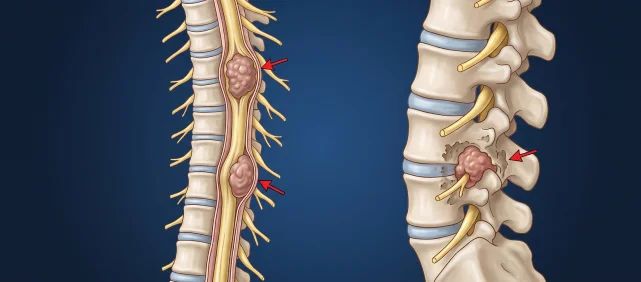
Spinal Tumors
Spinal tumors can develop within the spinal cord, around the spinal cord, or in the vertebral column. Depending on their location and characteristics, they may cause pain, neurological symptoms, or spinal instability.
Common symptoms
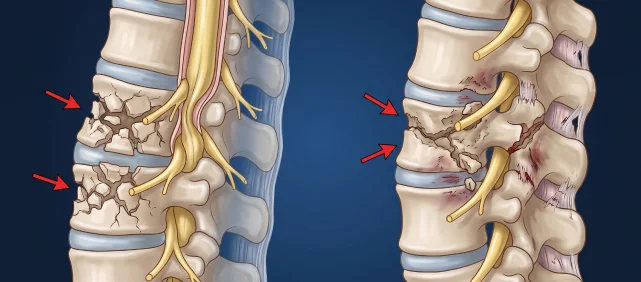
Spinal Fractures
Spinal fractures can result from trauma or weakened bone and may affect the stability of the spine. Some fractures can also compromise nearby nerves or the spinal cord.
Common symptoms
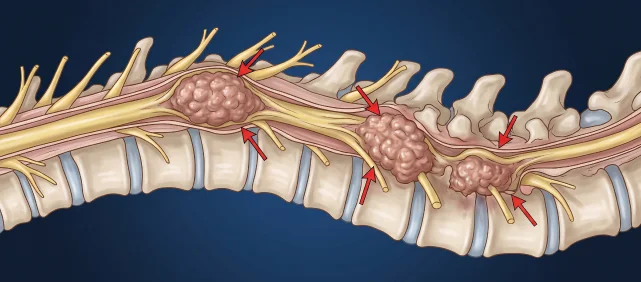
Spinal Cord Compression
Spinal cord compression occurs when pressure is placed on the spinal cord by a tumor, fracture, disc, or other structural abnormality. Significant compression can affect movement, sensation, and bladder or bowel function.
Common symptoms
What treatment involves
From Assessment to Recovery
1
Specialist Consultation
Discuss your symptoms, medical history, and imaging with Dr. Mashal Rasool Khan.
2
Clinical Assessment
Neurological examination and appropriate imaging help assess the spinal condition and its impact on neurological function.
3
Treatment Planning
The appropriate surgical or non surgical approach is determined based on the diagnosis and clinical findings.
4
Recovery & Follow Up
Postoperative follow up monitors healing, spinal stability, and neurological recovery.

Dr. Mashal Rasool Khan
Jinnah Postgraduate Medical Centre (JPMC), Karachi
Your surgeon
Led by Dr. Mashal Rasool Khan.
Dr. Mashal Rasool Khan is a neurosurgeon based in Islamabad with a clinical focus on spinal and nerve related disorders, including minimally invasive spine procedures. She completed her MBBS from Liaquat National Medical College and received surgical training and experience at Jinnah Postgraduate Medical Centre (JPMC), Karachi.
Her clinical practice focuses on accurate diagnosis and appropriate treatment planning for patients with spinal and neurological conditions, with minimally invasive approaches considered where clinically appropriate.
Qualification
MBBS
Medical Education
Liaquat National Medical College
Clinical Practice
Ali Medical Centre, F-8, Islamabad
Clinical Focus
Pediatric & Congenital Neurosurgery
Common questions
Before you book.
Can a spinal tumor be treated without surgery?
It depends on the tumor’s type, size, and location. Some slow-growing tumors can be monitored, while others require surgical removal to relieve pressure on the spinal cord or nearby nerves.
How urgent is a spinal fracture after an accident?
Very urgent. Even if pain seems manageable, a fracture can be unstable and put the spinal cord at risk, so immediate imaging and evaluation are essential after any significant fall or accident.
What does spinal cord compression feel like?
It often causes numbness, weakness, or a distinct change in sensation below a certain point on the body, and in more serious cases, loss of bladder or bowel control. This is treated as a medical emergency.
Book a consultation
Get clarity on the right care for your condition.
Speak with Dr. Mashal Rasool Khan about your condition and options. No obligation, just a clear next step.