Endocrine Surgery
Thyroid & Endocrine Surgery
Dr. Mukhtar Khan provides surgical management for thyroid nodules, thyroid cancer, goiter, and other thyroid conditions, including minimally invasive and endoscopic approaches where clinically appropriate.
What this covers
Surgical Care for Thyroid Conditions
Thyroid disorders can cause changes in the size, structure, or function of the thyroid gland. Surgical treatment may be considered when a condition requires removal of part or all of the gland.
Thyroid Nodules & Cancer
Evaluation and surgical treatment of thyroid nodules, including nodules found to be suspicious or cancerous.
Goiter & Other Thyroid Conditions
Surgical management of an enlarged thyroid and selected conditions causing pressure, swallowing difficulty, or other significant symptoms.
Laparoscopic Endocrine Surgery
Minimally invasive surgical approaches for selected thyroid and endocrine conditions, including appropriate cases of thyroid nodules, goiter, and other gland disorders.
About the specialty
What Is Thyroid & Endocrine Surgery?
Thyroid and endocrine surgery focuses on the surgical treatment of conditions affecting the thyroid and other hormone producing glands. Depending on the diagnosis, surgery may involve removing part or all of the thyroid gland.
Diagnostic Assessment
Clinical examination, ultrasound, and appropriate laboratory or tissue tests help evaluate thyroid abnormalities.
Surgical Treatment
Thyroid surgery may involve partial or complete removal of the gland, depending on the condition being treated.
Minimally Invasive Options
Selected patients may be candidates for endoscopic or minimally invasive thyroid surgery, depending on their condition and the type of procedure needed.
When to seek assessment
Thyroid Symptoms Worth Checking
Some thyroid conditions cause noticeable changes in the neck, while others may be found during routine examination or imaging. Persistent or unexplained symptoms should be evaluated.
Neck Swelling
A new lump or swelling in the front of the neck may indicate a thyroid nodule, goiter, or another thyroid condition.
Breathing Difficulty
A large goiter or thyroid mass may compress the airway and cause difficulty breathing, particularly when lying down.
Swallowing Difficulty
A thyroid enlargement or nodule can sometimes press on nearby structures and make swallowing difficult.
Voice Changes
Persistent changes in voice can occur when a thyroid condition affects nearby structures and should be assessed.
Conditions
Common Thyroid Conditions
Thyroid conditions can vary in cause, size, and clinical significance. Assessment helps determine whether monitoring, further testing, or surgical treatment is appropriate.
01
Thyroid Nodules
02
Goiter
03
Thyroid Cancer
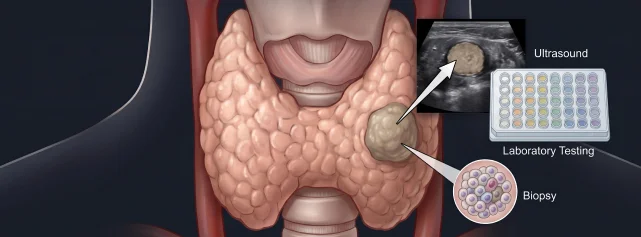
Thyroid Nodules
A thyroid nodule is an abnormal growth within the thyroid gland. Most are benign, but some require further evaluation with ultrasound, laboratory testing, or biopsy to determine the appropriate management.
Common signs
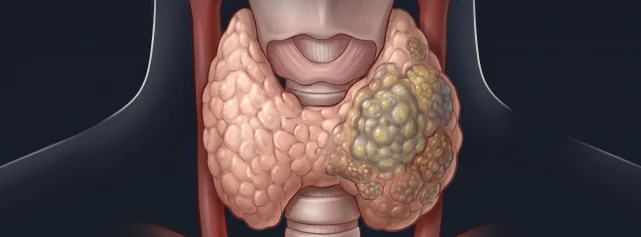
Goiter
Goiter is an enlargement of the thyroid gland that can develop from different underlying conditions. Larger goiters may cause visible neck swelling or pressure affecting swallowing or breathing.
Common signs
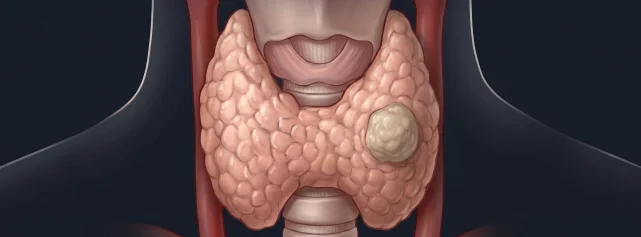
Thyroid Cancer
Thyroid cancer develops from abnormal cells within the thyroid gland and may be identified through a suspicious nodule or biopsy. Surgery may be part of treatment, with the extent of thyroid removal determined by the cancer’s type and stage.
Common signs
What treatment involves
From Assessment to Recovery
1
Specialist Consultation
Discuss your thyroid condition, symptoms, medical history, and previous test results with Dr. Mukhtar Khan.
2
Clinical Assessment
Examination, ultrasound, blood tests, and tissue assessment where indicated help establish the diagnosis.
3
Treatment Planning
Treatment is planned according to the diagnosis, clinical findings, and surgical requirements, with the appropriate approach selected for the condition.
4
Recovery & Follow Up
Follow up monitors healing, thyroid function, and recovery after surgery.
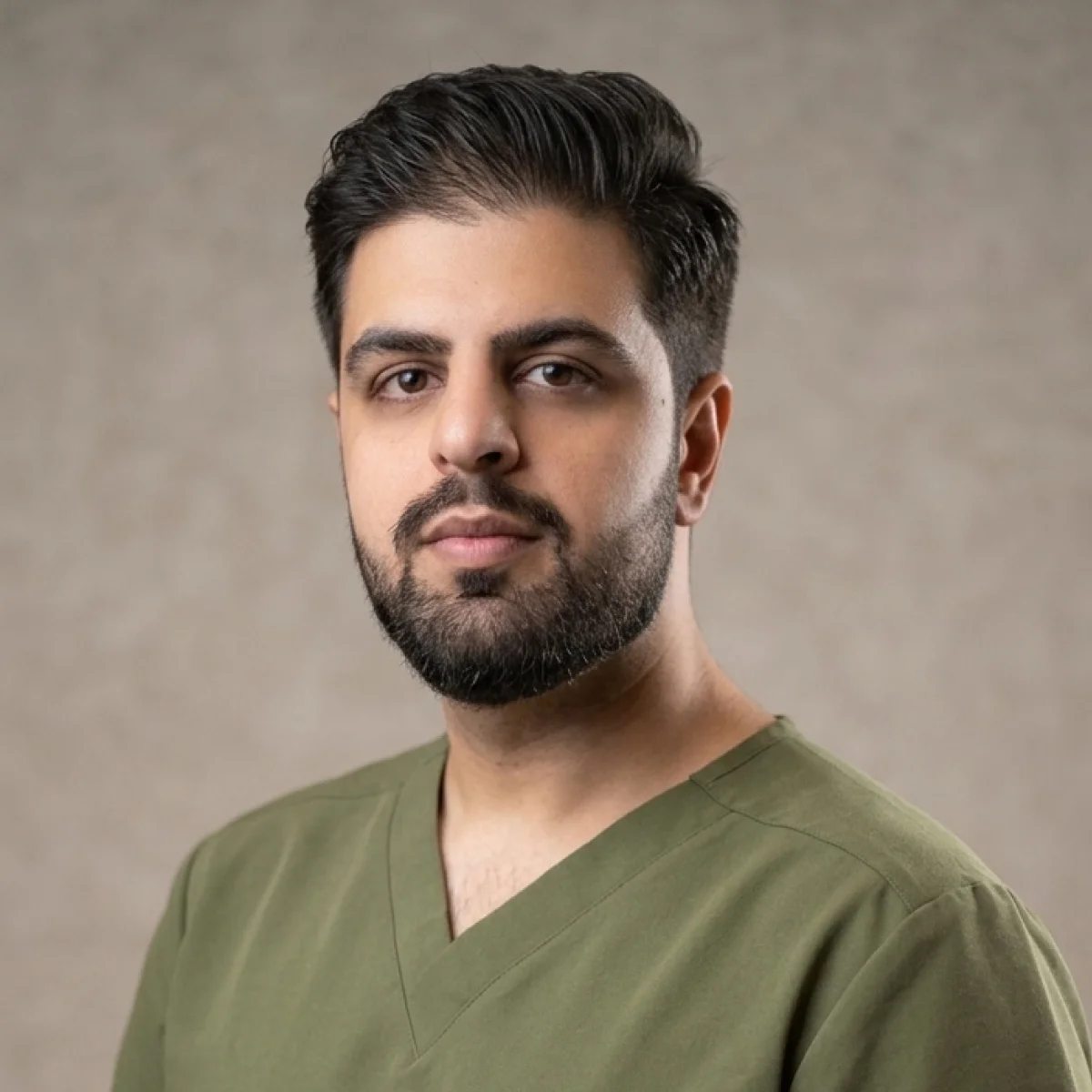
Dr. Mukhtar Khan
Jinnah Postgraduate Medical Centre (JPMC), Karachi
Your surgeon
Led by Dr. Mukhtar Khan.
Dr. Mukhtar Khan is a General and Laparoscopic Surgeon based in Islamabad, with clinical experience in general surgery, breast surgery, surgical oncology, and minimally invasive procedures. He completed his MBBS and house job at Liaquat National Medical College, Karachi, followed by FCPS in Surgery from Jinnah Postgraduate Medical Center (JPMC), Karachi.
His practice includes surgical management of conditions involving the breast, thyroid, gallbladder, hernias, and other general surgical conditions.
Qualification
MBBS, FCPS (Surgery)
Medical Education
Liaquat National Medical College
Clinical Practice
Ali Medical Centre, Islamabad
Clinical Focus
General, Laparoscopic & Surgical Oncology
Common questions
Before you book.
Are all thyroid nodules cancerous?
No, most thyroid nodules are non-cancerous. Further testing, such as imaging or a biopsy, helps determine whether a nodule needs monitoring or treatment.
Is minimally invasive thyroid surgery suitable for everyone?
It depends on the size, location, and nature of the condition being treated. Your surgeon will assess whether a minimally invasive approach is appropriate or if traditional surgery is a better fit.
What are the signs that a goiter needs treatment?
Signs like visible swelling, difficulty swallowing, or pressure on the throat suggest it may be time for evaluation. Not every goiter requires surgery, but these symptoms are worth assessing.
When is a laparoscopic approach used in endocrine surgery?
Laparoscopic techniques may be used for selected endocrine conditions, particularly when treating glands within the abdomen. Suitability depends on the gland involved, the nature of the condition, and findings from your clinical assessment.
Book a consultation
Get clarity on the right care for your condition.
Speak with Dr. Mukhtar Khan about your condition and options. No obligation, just a clear next step.