
Pediatric Specialty
Pediatric Neurosurgery
Dr. Mashal Rasool Khan provides specialized neurosurgical care for hydrocephalus, myelomeningocele, encephalocele, and other congenital conditions affecting the developing brain and nervous system.
What this covers
Specialized Care for Pediatric Neurosurgical Conditions
Some pediatric neurosurgical conditions develop before birth and affect the brain, spinal cord, or the normal circulation of cerebrospinal fluid. Early diagnosis and appropriate treatment can help manage these conditions during critical stages of a child’s development.
Hydrocephalus
Care for excess cerebrospinal fluid within the brain’s ventricles, which can cause ventricular enlargement and increased pressure within the skull.
Congenital Brain & Spinal Conditions
Care for myelomeningocele, encephalocele, and other congenital conditions affecting the developing brain, spinal cord, or surrounding structures.
About the specialty
What Is Pediatric Neurosurgery?
Pediatric neurosurgery is a specialized field of neurosurgery focused on diagnosing and treating conditions affecting the developing brain, spinal cord, and nervous system in infants and children.
Specialized Assessment
Neurological conditions are evaluated according to the child’s age, symptoms, development, and clinical findings.
Condition Specific Treatment
Treatment may include monitoring, medication, or surgery depending on the condition, severity, and clinical needs.
Development Focused Care
Treatment aims to manage the neurological condition while supporting the child’s growth, development, and long term function.
When to seek assessment
Signs That Need Assessment
Some signs may be present at birth, while others can become noticeable during infancy. Early assessment can help identify conditions requiring specialized care.
Rapid Head Growth
A rapidly increasing head circumference can be a sign of hydrocephalus in infants.
Bulging Fontanelle
A bulging or tense fontanelle, particularly when the baby is calm, may indicate increased pressure within the skull.
Spinal Sac
A sac-like protrusion along the baby’s spine at birth is a characteristic sign of myelomeningocele.
Skull Abnormality
A visible bulge or sac on the skull at or shortly after birth may indicate an encephalocele.
Conditions
Congenital Neurosurgical Conditions in Children
These congenital neurosurgical conditions affect different parts of the developing nervous system. Diagnosis and treatment depend on the child’s specific condition, clinical findings, and stage of development.
01
Hydrocephalus
02
Myelomeningocele (MMC)
03
Encephalocele
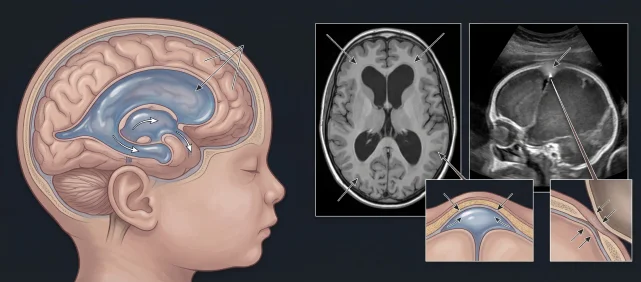
Hydrocephalus
Hydrocephalus occurs when cerebrospinal fluid accumulates within the brain’s ventricles, causing them to enlarge and potentially increasing pressure within the skull. Treatment may involve a shunt or an endoscopic procedure, depending on the underlying cause and clinical findings.
Common signs
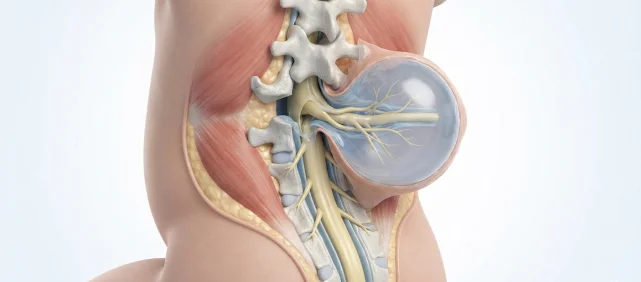
Myelomeningocele (MMC)
Myelomeningocele is a form of spina bifida in which the spinal cord and its coverings protrude through an opening in the spine, forming a sac on the back. Surgical closure is generally performed early after birth to protect the exposed neural tissue.
Common signs
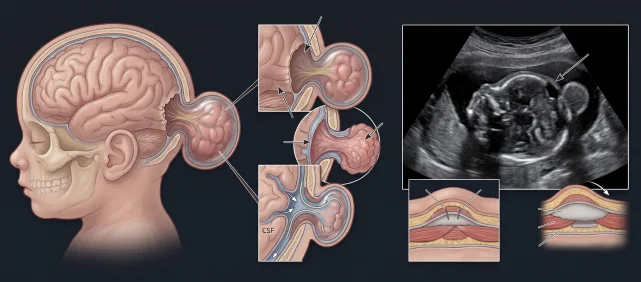
Encephalocele
Encephalocele is a congenital skull defect through which brain tissue and its coverings protrude, forming a sac or bulge. Surgical repair closes the skull defect and addresses the protruding tissue, with timing determined by the child’s condition.
Common signs
What treatment involves
From Assessment to Recovery
1
Specialist Consultation
Discuss your child’s diagnosis, medical history, and imaging with Dr. Mashal Rasool Khan.
2
Clinical Assessment
Clinical evaluation and appropriate imaging help establish the diagnosis and guide treatment planning.
3
Treatment Planning
The appropriate procedure is planned according to your child’s condition, age, and clinical needs.
4
Recovery & Follow Up
Postoperative follow up monitors healing, neurological status, and ongoing development.

Dr. Mashal Rasool Khan
Jinnah Postgraduate Medical Centre (JPMC), Karachi
Your surgeon
Led by Dr. Mashal Rasool Khan.
Dr. Mashal Rasool Khan is a neurosurgeon based in Islamabad with a clinical focus on spinal and nerve related disorders, including minimally invasive spine procedures. She completed her MBBS from Liaquat National Medical College and received surgical training and experience at Jinnah Postgraduate Medical Centre (JPMC), Karachi.
Her clinical practice focuses on accurate diagnosis and appropriate treatment planning for patients with spinal and neurological conditions, with minimally invasive approaches considered where clinically appropriate.
Qualification
MBBS
Medical Education
Liaquat National Medical College
Clinical Practice
Ali Medical Centre, F-8, Islamabad
Clinical Focus
Pediatric & Congenital Neurosurgery
Common questions
Before you book.
What are the signs of hydrocephalus in a newborn?
The most common signs are a head that grows faster than expected, a soft spot that looks swollen or feels tense, and eyes that appear to look downward. A pediatrician or neurosurgeon can confirm the diagnosis with imaging.
Can myelomeningocele be detected before birth?
Yes, it’s often picked up during a prenatal ultrasound or through blood tests in pregnancy. Early detection allows the delivery and surgical repair to be planned in advance.
What causes encephalocele?
Encephalocele happens when the skull doesn’t fully close during early development, allowing brain tissue to protrude through the gap. The exact cause isn’t always clear, though folic acid deficiency during pregnancy is a known risk factor.
Book a consultation
Get clarity on the right care for your child.
Speak with Dr. Mashal Rasool Khan about your child’s condition and options. No obligation, just a clear next step.